
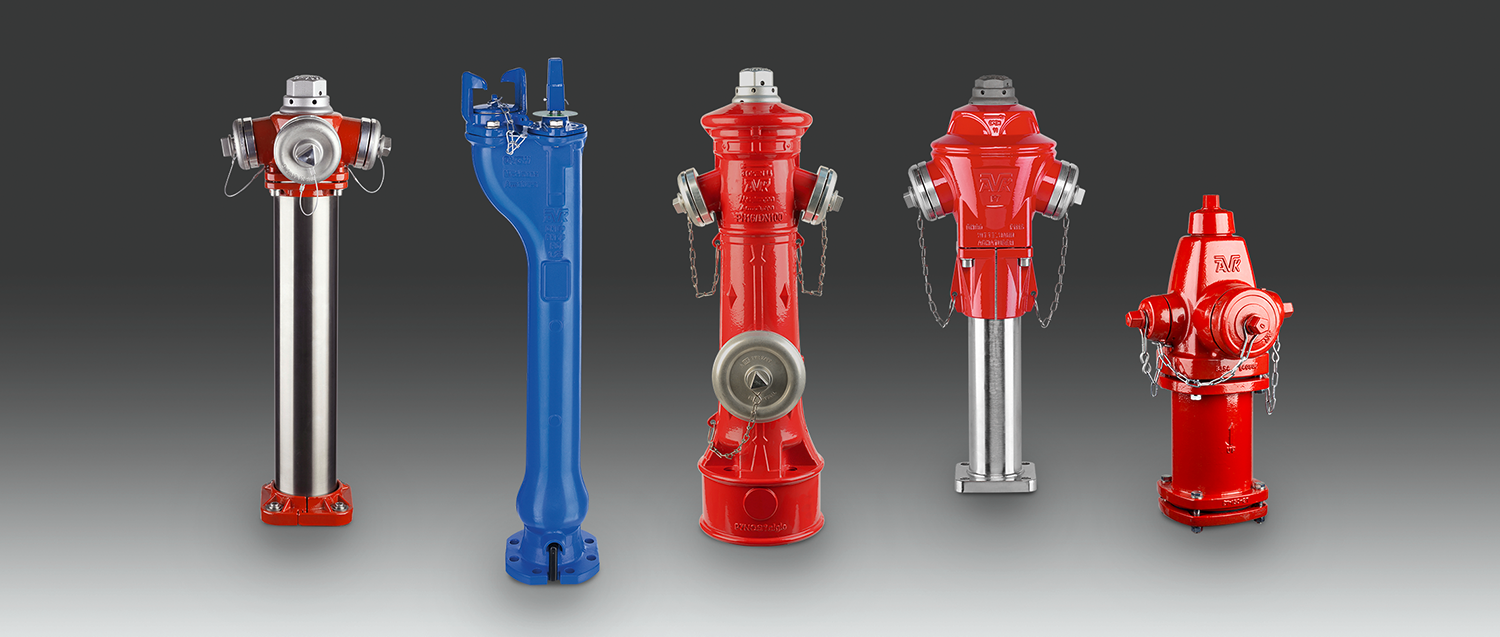
I was standing on a quiet suburban street in western Sydney not long ago, waiting for a coffee order, when I noticed a bright red fire hydrant sitting half-hidden behind a parked ute. It sounds odd, I know, but it made me pause. That little piece of infrastructure — chipped paint, bolted into the footpath, completely ignored by passersby — is one of those things we only think about when something’s gone very wrong.
And honestly, that’s when the work of fire safety really shows its value.
We talk a lot about smoke alarms, evacuation plans, and fire-resistant materials in Australia, especially after the bushfire seasons we’ve lived through. But fire hydrants? They rarely get a mention. Yet behind every reliable hydrant is a long chain of design decisions, testing standards, and people who take public safety seriously. That’s where Fire Hydrant Manufacturers quietly come in — not as flashy innovators, but as steady, dependable problem-solvers.
Table of Contents
ToggleWhy fire hydrants still matter more than most people realise
It’s easy to assume fire hydrants are old-school. You might think modern firefighting is all about advanced trucks, drones, or thermal cameras. Those tools are important, sure. But without dependable water access, they don’t go very far.
In Australian cities and regional towns alike, hydrants are still the backbone of firefighting operations. Fire crews rely on them to deliver consistent pressure, fast connections, and absolute reliability. There’s no margin for “almost works” when a building is burning or a grassfire is moving fast.
You might not know this, but hydrants aren’t one-size-fits-all. A hydrant designed for a coastal town faces different challenges than one installed inland. Salt air corrosion, soil conditions, water pressure variability — all of this influences how hydrants are built and installed. That’s where thoughtful manufacturing becomes essential.
The quiet responsibility of getting it right
I once spoke with a retired council engineer who summed it up perfectly. He said, “If no one ever notices your hydrants, you’ve done your job properly.”
That stuck with me.
Good hydrants don’t demand attention. They don’t fail under pressure. They don’t crack, seize, or leak when firefighters need them most. And the people responsible for that reliability are the manufacturers who design and test them long before they’re installed on a street corner.
Reputable Fire Hydrant Manufacturers invest heavily in durability testing. We’re talking pressure cycling, impact resistance, corrosion exposure — the sort of testing most people never see. In Australia, compliance with local standards isn’t optional. It’s baked into the process from the very first design sketch.
Australian conditions aren’t gentle
Let’s be honest — Australia isn’t an easy place for infrastructure.
We’ve got intense heat, sudden cold snaps in some regions, flooding rains, dry dust, and salty coastal air. Hydrants have to survive decades of this without complaint. That’s why local expertise matters so much.
Manufacturers who understand Australian conditions don’t just copy overseas designs. They adapt. They reinforce. They choose materials that make sense here, not just on paper. Ductile iron, protective coatings, tamper-resistant components — these aren’t marketing buzzwords. They’re practical decisions made with real-world consequences in mind.
Honestly, I was surprised to learn how much collaboration happens behind the scenes. Councils, fire authorities, water utilities, and Fire Hydrant Manufacturers regularly exchange feedback. If a hydrant design causes delays during an emergency, that information circulates fast. Improvements follow.
Not all hydrants are created equal
Here’s something most people don’t realise until they’re involved in a construction or compliance project: hydrants vary widely depending on where and how they’re used.
Urban hydrants often prioritise accessibility and rapid connection. Industrial sites may require higher flow rates or specialised fittings. Rural areas sometimes need designs that cope with fluctuating pressure or limited water supply.
The best manufacturers don’t just sell products — they help spec the right solution. They ask questions. They look at context. That consultative approach is what separates reliable infrastructure from ticking-a-box compliance.
I’ve seen projects where cutting corners on fire infrastructure came back to bite developers later. Retrofitting hydrants is expensive, disruptive, and frankly avoidable. Starting with trusted Fire Hydrant Manufacturers can save money, time, and stress in the long run.
Maintenance starts at manufacturing
A well-designed hydrant isn’t just about performance on day one. It’s about how it behaves ten or twenty years down the line.
Can it be easily serviced? Are replacement parts readily available? Does it resist internal corrosion? These questions matter, especially for councils managing thousands of assets across large areas.
Good manufacturers think beyond installation. They design hydrants that maintenance crews don’t dread. That might sound minor, but over time, it makes a huge difference to operational budgets and safety outcomes.
There’s also something reassuring about consistency. When firefighters train on equipment that behaves predictably across different locations, response times improve. That consistency often traces back to manufacturers who standardise quality across their entire range.
Fire safety isn’t just a regulation — it’s a community promise
After the devastating fires many Australian communities have faced, fire safety feels personal. It’s not abstract anymore. People want to know that systems are in place, quietly working, even when everything else feels uncertain.
Fire hydrants are part of that promise. They’re physical proof that someone thought ahead.
And while firefighters are rightly celebrated — as they should be — the manufacturers who support them rarely get recognition. Yet without dependable hydrants, even the most skilled crews face unnecessary obstacles.
That’s why mentioning Fire Hydrant Manufacturers in conversations about safety isn’t promotional. It’s practical. It acknowledges that prevention and preparedness involve more people than we usually think about.
Choosing quality over shortcuts
If you’re involved in planning, construction, or infrastructure management, it’s tempting to focus on visible features — finishes, layouts, aesthetics. Fire infrastructure sits underground or on the margins, literally and figuratively.
But here’s the thing: when fire protection systems work, no one complains. When they don’t, the consequences are immediate and severe.
Choosing experienced Fire Hydrant Manufacturers is one of those decisions that rarely earns praise, but always earns respect when tested. It’s about trusting proven processes rather than chasing the cheapest option.
In my experience, the best projects are the ones where safety decisions are made calmly, early, and with long-term thinking. Fire hydrants fit squarely into that category.
A final thought, walking back down that street
I finished my coffee that day and walked past the same hydrant again. Same chipped paint. Same quiet presence. Still doing its job without asking understanding or applause.
And I guess that’s the point.
Fire safety isn’t dramatic when it’s done right. It’s subtle. It’s built into the background of our lives. Behind that reliability are Fire Hydrant Manufacturers who design for pressure, chaos, and worst-case scenarios — so the rest of us don’t have to think about them every day.
If you ever do notice a hydrant, maybe pause for a second. It’s a small reminder that someone, somewhere, took the responsibility of safety seriously enough to get the details right.