


If you’ve ever tried to make sense of Australia’s digital health landscape, you’ll know it can feel a bit like trying to read the fine print on a moving train. Policies change, new technologies pop up out of nowhere, and suddenly everyone’s talking about privacy, data ethics, and who gets to handle your biometric information.
I’ll admit, when I first heard whispers circulating about dha cancels ouraring biometric ring solicitation, I had to go digging. It sounded dramatic, almost like something pulled straight from a sci-fi headline. But the more I looked into it, the clearer it became that this isn’t just another tech hiccup—this is part of a much bigger, ongoing conversation in Australia about how far we’re willing to let wearable technology weave itself into our health system.
And honestly? It’s a conversation we should’ve been having years ago.
The Rise of Wearable Health Tech: Helpful or a Little Too Close?
Let’s rewind a bit. Over the past decade, wearable health technology has exploded. Australians love gadgets—fitness trackers, smartwatches, sleep monitors, you name it. Some devices can now tell you more about your nightly REM cycles than you ever asked for.
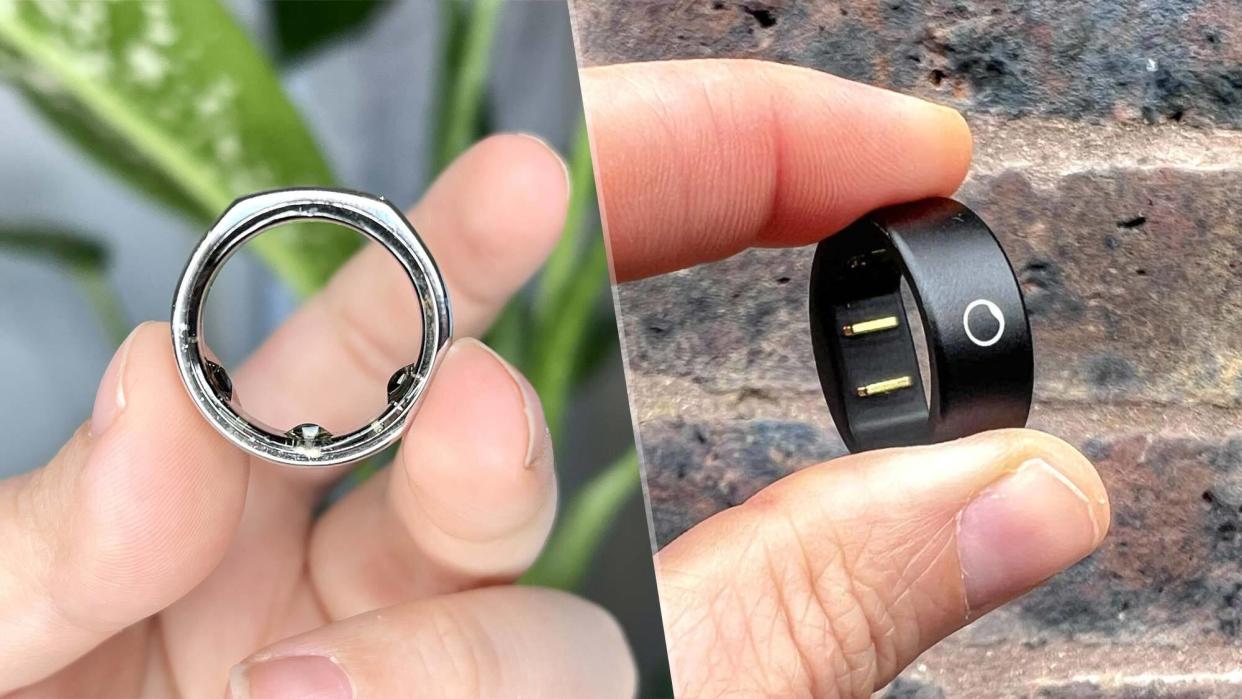
The Oura Ring, in particular, has attracted a loyal fanbase. It’s discreet, stylish, and surprisingly sophisticated. Plenty of people swear by its ability to help them improve sleep quality, track readiness, and even understand how stress affects their bodies.
But here’s where things get tricky. These devices aren’t just collecting step counts anymore—they’re gathering biometric data. Deeply personal data. Information that says a lot about who you are, how you live, and arguably, how healthy you are.
That raises an obvious question: Who gets access to that data, and what do they want to do with it?
When Biometric Data Meets Bureaucracy
You might not know this, but Australia’s Digital Health Agency (DHA) has been walking a pretty careful line when it comes to integrating commercial biometric tech into public health programs. They’re well aware that the public can get spooked—understandably—by the idea of corporate-level health surveillance creeping into government systems.
So when news spread that dha cancels ouraring biometric ring solicitation, a lot of people weren’t actually surprised. The sentiment was almost: “Well, that makes sense.”
But that simple headline hides a more nuanced story.
From what’s been discussed publicly, the hesitation wasn’t about the Oura Ring itself. It was more about the implications of adopting any highly detailed biometric-tracking device into official channels. Once a government agency solicits or endorses a specific piece of health-monitoring tech, it sets a precedent. It signals that this type of data is not only valuable but potentially necessary.
And if something becomes necessary, it can also become… expected.
The Fine Line Between Helpfulness and Overreach
Think about it. On one hand, having a tool that helps track sleep, stress, temperature, and recovery could theoretically support better health insights across populations. There’s a real argument for using wearable data to inform public health strategies—especially after the last few years.
But on the other hand, once you open the door to biometric monitoring, even just a crack, people worry about what might walk through next. Could it shift from voluntary to encouraged? From encouraged to required? And who could access the information besides you?
Even if intentions are absolutely pure—and I’m inclined to believe that most public health teams genuinely want to improve outcomes—trust doesn’t happen automatically. It has to be earned.
In that sense, stepping back from the Oura Ring proposition was probably the most stabilising choice available. Better to pause than to risk public confidence collapsing under assumptions or misunderstandings.
Australians Care About Agency Over Their Health Data
One thing I’ve noticed—and I think many of us feel this instinctively—is that Australians have a very strong sense of personal boundaries when it comes to health information. We’ll happily talk about our favourite coffee spot or our weekend footy results, but ask to see someone’s biometric profile and you’ll hit a wall faster than you can say “nah mate.”
There’s a protective instinct at play. Part cultural, part historical, part common sense.
Digital health can absolutely benefit us, but only if people feel genuinely safe and in control.
That’s why conversations like this aren’t minor administrative footnotes. They help build the framework for the kind of healthcare future we want to live with—not just the one technology companies are eager to sell.
This Isn’t a Rejection of Innovation—Just a Call for Thoughtfulness
It’s worth stressing that pausing any initiative involving biometric wearables isn’t the same as slamming the door on innovation. If anything, it’s a much-needed moment to breathe. Technology always moves faster than policy, and without guardrails, even well-intentioned tools can create unintended consequences.
The Oura Ring is a brilliant piece of engineering. But brilliance isn’t enough. Not when the stakes involve people’s identity, privacy, and trust in public institutions.
Australia doesn’t need to rush. The tech will keep evolving. The data privacy debates will keep evolving. And honestly, slowing down might give us the opportunity to craft digital health standards that other countries eventually look to as a model.
What This Means for the Future of Digital Health in Australia
If you ask me, this whole situation hints at a larger shift. We’re entering a phase where digital health isn’t just something we download—it’s something we need to govern wisely. The next few years will likely bring more wearable proposals, more health data integrations, and more pressure from tech companies hoping to partner with public agencies.
The difference now is that people are paying attention. And they’re asking the right questions.
How transparent are partnerships?
What happens to the data?
Can we opt out easily?
What’s in it for the public—not just for the vendor?
These are the questions that keep digital health systems honest. And, ideally, they prevent Australia from sliding into a tech-driven health regime we never consciously agreed to.
A Final Thought: The Pause Is a Chance to Rebuild Trust
As someone who writes about tech, policy, and the ways they intersect with everyday life, I find moments like this strangely reassuring. It shows that agencies are listening. That public pressure still matters. That not every shiny gadget automatically gets a green light.
Maybe you feel the same way. Or maybe you were hoping to see more innovation from the DHA. Either reaction is valid.
But stepping back from the dha cancels ouraring biometric ring solicitation debate for a moment, there’s something bigger here:
We’re finally having real, grounded conversations about the kind of digital health ecosystem Australians want—not the one we’re simply handed.
And that, in itself, feels like progress.
If this is the pause before a smarter, clearer, more transparent digital health strategy emerges, then it’s the kind of pause worth taking.