


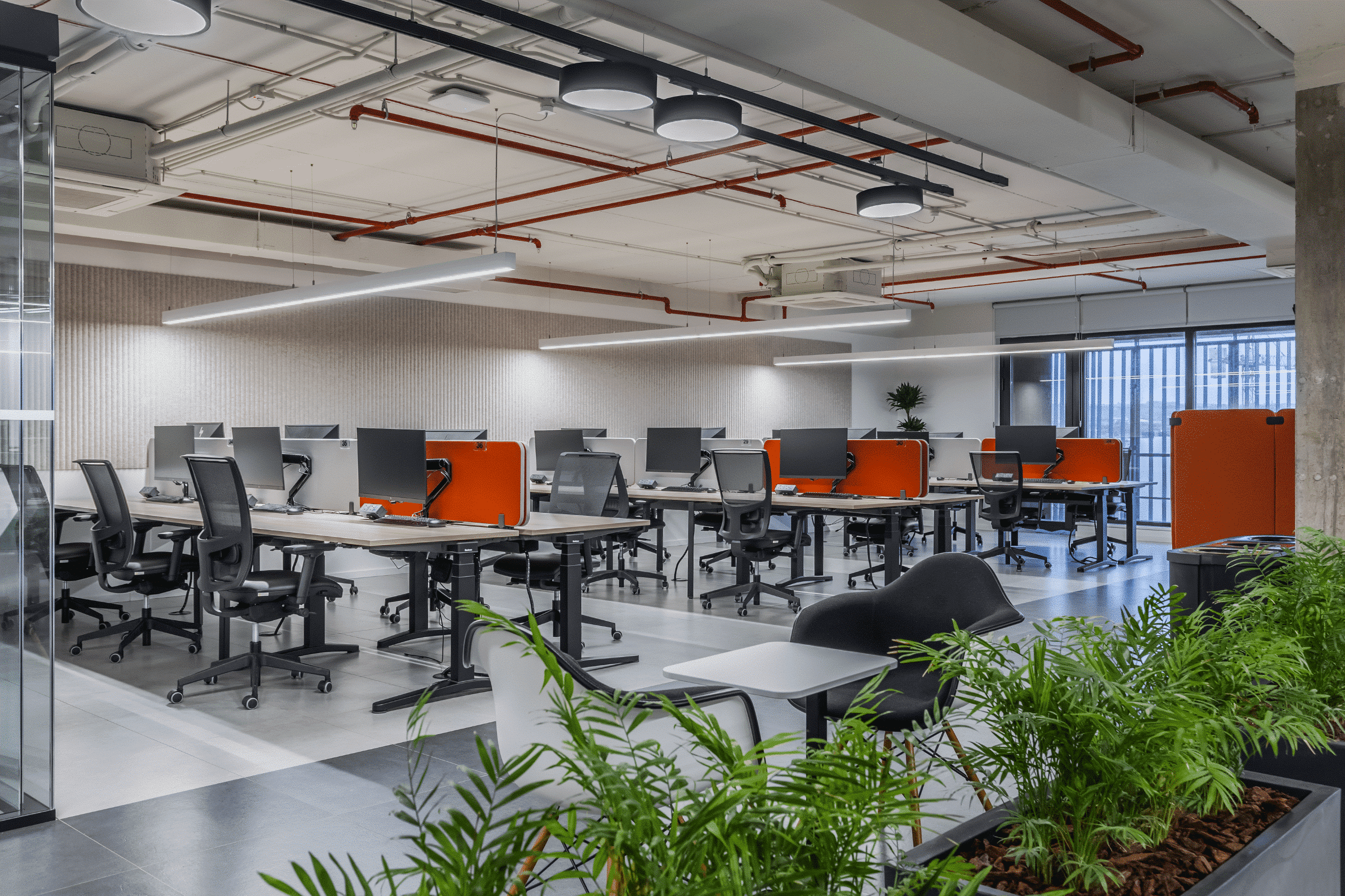
There’s something oddly intimate about walking into a space that feels right. You know the feeling. The light hits the wall at just the right angle, the layout makes sense without you thinking about it, and somehow you relax before you even sit down. I’ve always been fascinated by that moment — the quiet psychology behind design. It’s not loud. It doesn’t beg for attention. But it works on you anyway.
For a long time, I assumed good design was just about taste. A sharp eye. Maybe a Pinterest board and a decent budget. Well, I was wrong. The more I’ve spoken with architects, planners, and brand strategists over the years, the more I’ve realized that thoughtful design is rarely accidental. It’s built on research, on context, on understanding how people move, feel, and interact with their environment.
And that’s where studios like ESAC Design come into the conversation.
But let me back up for a second.
Table of Contents
ToggleDesign Is More Than Aesthetic — It’s Strategy
If you work in digital marketing — like I do — you start seeing parallels everywhere. A website isn’t just a website. It’s user flow, cognitive load, emotional triggers. A retail space isn’t just shelves and signage. It’s traffic patterns, brand perception, dwell time.
Physical spaces operate the same way.
Good design quietly guides behavior. It tells you where to stand, where to look, how to feel. Hospitals that reduce patient anxiety? That’s design. Offices that encourage collaboration without forcing it? Also design. Even that coffee shop you can’t stop thinking about — yes, design again.
What surprised me, honestly, is how often businesses underestimate this. They invest heavily in branding and advertising, yet overlook the physical or environmental experience that customers actually step into. And that disconnect shows.
When architecture and brand strategy align, something clicks. The space becomes an extension of the company’s voice.
The Human Side of Built Environments
One of the most interesting shifts in recent years has been the focus on human-centered design. It’s no longer enough for a building to look impressive in photos. It needs to function for real people living real lives.
We’re talking about natural light that supports circadian rhythms. Materials that improve acoustics and reduce stress. Layouts that make navigation intuitive rather than overwhelming.
I once interviewed a workplace consultant who told me, “People don’t quit jobs; they quit environments.” At first, that sounded dramatic. But the more I thought about it, the more it made sense. Environment influences mood. Mood influences productivity. Productivity shapes outcomes.
The same principle applies in education, healthcare, retail — pretty much anywhere humans gather.
Studios that understand this don’t just draft blueprints. They observe behavior. They ask uncomfortable questions. They dig into the purpose behind a space.
And that’s why firms like ESAC Design stand out. They approach projects not as isolated structures, but as ecosystems — where architecture, functionality, and user experience intersect.
Why Context Matters More Than Trends
Let’s be honest: trends are tempting. Open-plan everything. Minimalist palettes. Industrial chic. Biophilic design. The list goes on.
But trends age. Context doesn’t.
A coastal community has different environmental demands than a dense urban district. A cultural center serving multigenerational families needs a different layout than a tech startup hub.
I’ve seen too many projects chase aesthetic trends at the expense of relevance. The result? Beautiful spaces that don’t quite work.
What’s refreshing about firms that prioritize contextual design is their restraint. They look at climate, culture, infrastructure, and long-term sustainability before sketching anything flashy. That discipline doesn’t always grab headlines, but it produces spaces that endure.
And endurance is underrated.
In an era of rapid consumption, designing something meant to last — structurally and emotionally — feels almost radical.
Sustainability Isn’t Optional Anymore
Ten years ago, sustainability in architecture was a bonus feature. Today, it’s baseline expectation.
Clients ask about energy efficiency, carbon footprints, material sourcing. Municipalities enforce stricter environmental regulations. Occupants expect healthier indoor air quality and lower operational costs.
But sustainability isn’t just about checking compliance boxes. It’s about long-term thinking.
Designing for energy performance from the outset is far more effective than retrofitting later. Selecting materials with lifecycle impact in mind reduces waste. Planning for flexibility allows spaces to adapt rather than be demolished.
What I appreciate about forward-thinking design studios is their integrated approach. Sustainability isn’t tacked on at the end of the process. It’s embedded in early-stage planning.
That kind of foresight saves money, yes — but it also signals responsibility.
Collaboration Is the Real Superpower
If there’s one thing I’ve learned after years in digital campaigns, it’s that silos kill creativity. The same holds true in architecture and design.
The best projects emerge from collaboration — architects, engineers, urban planners, interior designers, brand strategists, even community stakeholders.
When teams operate in isolation, blind spots appear. But when they collaborate early and often, solutions become more cohesive.
This multidisciplinary approach is something I’ve consistently seen highlighted in conversations around ESAC Design. Their portfolio reflects not just technical proficiency but coordinated vision. You can feel when a project has been shaped by dialogue rather than dictated by hierarchy.
And that makes a difference.
Because spaces aren’t one-dimensional. They serve multiple purposes simultaneously — functional, aesthetic, emotional, commercial. Collaboration ensures those dimensions don’t compete with each other.
The Business Case for Thoughtful Design
Let’s talk numbers for a minute.
Studies show that well-designed workplaces can increase productivity and reduce absenteeism. Retail environments with optimized layouts boost sales per square foot. Educational facilities designed for engagement improve student outcomes.
Design isn’t an expense. It’s an investment.
Yet some organizations still treat it as cosmetic — something to finalize once the “important” decisions are made. In reality, design influences nearly every operational metric.
Even branding ROI ties back to physical space. When customers enter a thoughtfully designed environment, brand trust deepens. Experience reinforces messaging.
And here’s the thing: consumers notice more than you think.
They notice cramped layouts. Poor lighting. Confusing wayfinding. They might not articulate the problem precisely, but they feel it.
Conversely, when a space works seamlessly, they attribute that ease to the brand itself.
Designing for the Future — Not Just the Present
One challenge modern designers face is unpredictability. Remote work reshaped office expectations. E-commerce transformed retail footprints. Public health concerns altered spatial planning norms.
Flexibility has become a defining requirement.
Spaces now need to accommodate shifting usage patterns without expensive overhauls. Modular layouts, adaptable infrastructure, and future-proofed systems aren’t luxuries — they’re safeguards.
I sometimes think of it like web design. You don’t build a site solely for today’s traffic. You build for scale, for evolving user behavior.
Architectural strategy works the same way.
Firms that understand this long-term horizon approach projects differently. They ask, “How will this space function five, ten, twenty years from now?” That mindset separates reactive design from visionary planning.
The Emotional Impact We Often Forget
Beyond metrics and sustainability reports, there’s something softer — but equally important.
Spaces shape memories.
The school hallway where friendships formed. The hospital room where relief replaced fear. The office where a career began. The public square where communities gathered.
Design frames these moments.
I’ve walked through buildings that felt cold despite their beauty. And I’ve stood in modest spaces that felt alive because they were designed with intention.
When designers prioritize human experience alongside technical excellence, that’s when architecture transcends utility.
And maybe that’s the real benchmark.
Final Thoughts
We spend a staggering portion of our lives indoors. In workplaces, schools, healthcare facilities, retail centers. It’s easy to overlook how much those environments influence us — until we step into one that feels different.
Thoughtful design doesn’t shout. It supports. It guides. It adapts.
Whether you’re a business owner planning expansion, a developer evaluating long-term value, or simply someone who cares about how spaces make people feel, it’s worth paying attention to the teams behind the blueprint.
Because behind every seamless space is strategy, collaboration, and a deep understanding of human behavior.
And honestly? Once you start noticing the difference, you can’t unsee it.
Good design isn’t decoration. It’s infrastructure for experience.