


Honestly, some dishes don’t announce themselves. They don’t come with dramatic stories or glossy photos splashed all over social media. They just… exist. Quietly. Reliably. And qoghundos is very much one of those dishes.
The first time I heard someone talk about qoghundos, it wasn’t in a restaurant or a food festival. It was in a small kitchen, late afternoon, the kind of time when people start thinking about dinner but aren’t quite hungry yet. Someone casually mentioned it like it was the most normal thing in the world. No explanation. No hype. Just, “We’re making qoghundos tonight.”
That got my attention.
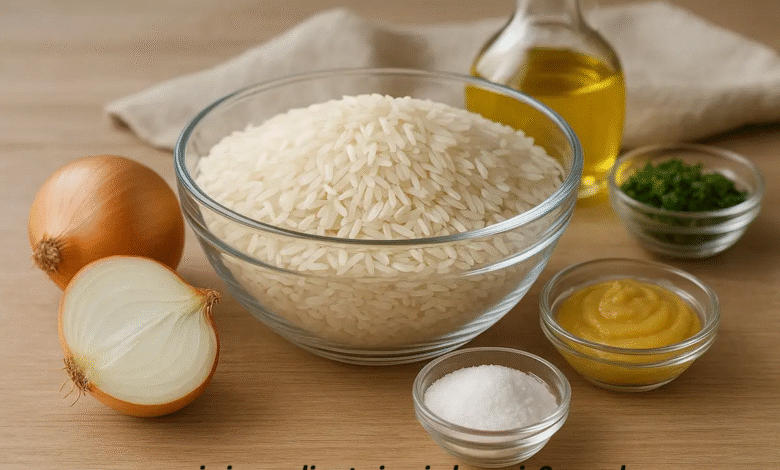
What really pulled me in, though, was learning about the ingredients in qoghundos. Not because they’re rare or exotic — they aren’t — but because of how intentionally simple they are. Every ingredient feels like it belongs there. Nothing is wasted. Nothing is excessive.
And once you understand the ingredients, you start to understand the dish itself.
What Is Qoghundos, Really?
Before diving straight into ingredients, it helps to take a step back.
Qoghundos isn’t a fast meal. It’s not something you throw together in 20 minutes after work. It’s a dish rooted in patience and routine. In many homes, it’s cooked when there’s time to slow down a little. When food is meant to warm you, not just feed you.
The texture sits somewhere between hearty and comforting. The flavours are layered but gentle. And everything about it points back to the ingredients — whole, familiar, and thoughtfully combined.
The Core Ingredients in Qoghundos
1. Whole Grains (Usually Crushed Wheat)
At the centre of qoghundos is a grain base, most commonly crushed wheat. This isn’t refined or polished. It’s hearty, slightly nutty, and gives the dish its structure.
You might not realise this at first bite, but the grain does a lot of work. It absorbs flavour slowly, thickens the dish naturally, and provides that satisfying, filling quality that makes qoghundos feel like a proper meal.
In some households, alternative whole grains are used depending on what’s available, but the idea stays the same — keep it simple and nourishing.
2. Legumes (Lentils or Chickpeas)
Lentils or chickpeas are another key part of the ingredients in qoghundos. They bring protein, texture, and depth.
Lentils tend to soften and blend into the dish, creating a smoother consistency. Chickpeas, on the other hand, give a bit more bite. Which one gets used often comes down to family preference rather than strict tradition.
Either way, legumes turn qoghundos into something sustaining. This is food that keeps you full, not just satisfied for an hour.
3. Onions (Slow-Cooked, Never Rushed)
If there’s one ingredient that truly shapes the flavour of qoghundos, it’s onions.
They’re usually cooked low and slow, allowing their natural sweetness to come through. No burning. No rushing. Just patience.
I was surprised to learn how much difference this step makes. When onions are treated gently, they stop being sharp and start becoming the quiet backbone of the dish.
Skip this step or rush it, and the whole dish feels off.
Supporting Ingredients That Matter More Than You’d Think
4. Garlic (Used With Restraint)
Garlic appears in qoghundos, but it doesn’t dominate. Usually just a clove or two, lightly crushed and cooked until fragrant.
This isn’t garlic-forward cooking. It’s there to add warmth and depth, not to steal the spotlight.
5. Cooking Fat (Oil or Clarified Butter)
Most versions of qoghundos use a neutral cooking oil, while some traditional or special-occasion versions include clarified butter.
The fat binds everything together. It smooths out the grains, helps carry flavour, and adds richness without heaviness. Again, moderation is key.
6. Mild Spices
Unlike many dishes that rely on bold spice blends, qoghundos keeps things understated.
Common seasonings include a small amount of cumin, coriander, or black pepper. Sometimes none at all beyond salt. And surprisingly, that works.
The goal isn’t complexity — it’s balance.
7. Salt (Added Gradually)
Salt is added carefully, often adjusted near the end of cooking. Because the dish simmers for a long time, flavours naturally concentrate.
Over-season early, and you lose control. This is one of those dishes where tasting as you go actually matters.
Optional Ingredients You Might See
While the core ingredients stay fairly consistent, some variations include:
- Seasonal vegetables for extra texture
- Fresh herbs added just before serving
- A splash of water or broth to adjust consistency
None of these are mandatory. They’re adaptations, not rules.
That flexibility is part of what keeps qoghundos relevant in different kitchens.
Why the Ingredients in Qoghundos Are So Simple
There’s a tendency today to equate good food with complicated food. More ingredients. More steps. More everything.
Qoghundos quietly rejects that idea.
Each ingredient serves a clear purpose. The grains provide structure. The legumes add substance. The onions build flavour. The fat ties it together. Nothing is there just for show.
I once came across a detailed explanation of the ingredients in qoghundos that framed it perfectly: this is food designed for repetition. For regular cooking. For real life.
And that feels important.
Cooking Qoghundos Is About Feel, Not Precision
Here’s something recipes rarely admit.
Qoghundos doesn’t like strict measurements. It responds better to attention. You stir when it looks dry. You add water when it feels thick. You taste and adjust.
That’s how it’s traditionally made — by feel.
If you try to control it too much, it resists. But if you let it unfold at its own pace, it rewards you.
Why Qoghundos Still Belongs in Modern Kitchens
In Malaysia, where food culture is rich, layered, and deeply personal, dishes like qoghundos make sense. They fit into busy lives while still offering comfort.
The ingredients are accessible. The cooking process is forgiving. And the result feels honest.
This isn’t food chasing trends. It’s food doing what it has always done — feeding people well.
A Quiet Reflection Before You Go
There are dishes you cook to impress others. And then there are dishes you cook for yourself.
Qoghundos belongs firmly in the second category.
The ingredients in qoghundos don’t shout for attention, but together they create something grounding and deeply satisfying. It’s the kind of food that reminds you that simplicity, when done thoughtfully, is more than enough.
And maybe that’s why it’s lasted.