
There’s something oddly comforting about firing up an old-school game — the kind you probably played on a rainy afternoon as a kid, sitting cross-legged on the carpet with a dodgy controller that only worked if you pressed the cable at a weird angle. I’ve been dipping back into retro gaming lately, mostly as a way to unwind after long workdays, and honestly, it’s been such a fun little escape.
But here’s the thing nobody tells you upfront: getting emulators to run properly can sometimes feel like solving a puzzle inside another puzzle. You think you’re just going to play a game, then suddenly you’re searching forums about BIOS files, input lag, screen filters, and why the sound crackles every time Mario jumps.
If you’ve landed here because you’re using tips pblemulator and want the whole experience to feel a bit smoother and less… chaotic, you’re in the right spot. I’ve learnt a few tricks along the way — some the hard way, some by accident — and I figured I’d share them like a mate would over a cuppa.
This isn’t a technical manual. It’s just the stuff I wish I’d known when I started mucking around with emulators, written in plain English, sprinkled with the little quirks and frustrations of real life.
Start With the Basics: Get Your ROMs Organised Early
Alright, I’ll admit something embarrassing: when I first got into emulation, I had ROMs scattered everywhere. Desktop, downloads folder, random sub-folders with names like “New folder (3)” — not exactly a setup to be proud of.
If you’re using tips pblemulator, keeping your ROMs tidy makes everything easier. Create a simple folder structure by console:
- NES
- SNES
- Game Boy
- Game Boy Advance
- PlayStation
- Whatever else you’re into
It sounds boring, I know, but it saves so much time. Plus, many emulators automatically scan folders for games, so a neat setup helps them actually find stuff instead of acting like half the library doesn’t exist.
Don’t Ignore Controller Settings — They Matter More Than You Think
Here’s something you might not realise until you’ve rage-quit a game at midnight: default controller settings aren’t always great.
Most emulators, including tips pblemulator, let you fully customise your button layout. Take advantage of that. Spend a few minutes tweaking buttons so they feel natural in your hands. If a game requires rapid tapping, map the button somewhere your thumb won’t hate you for it later.
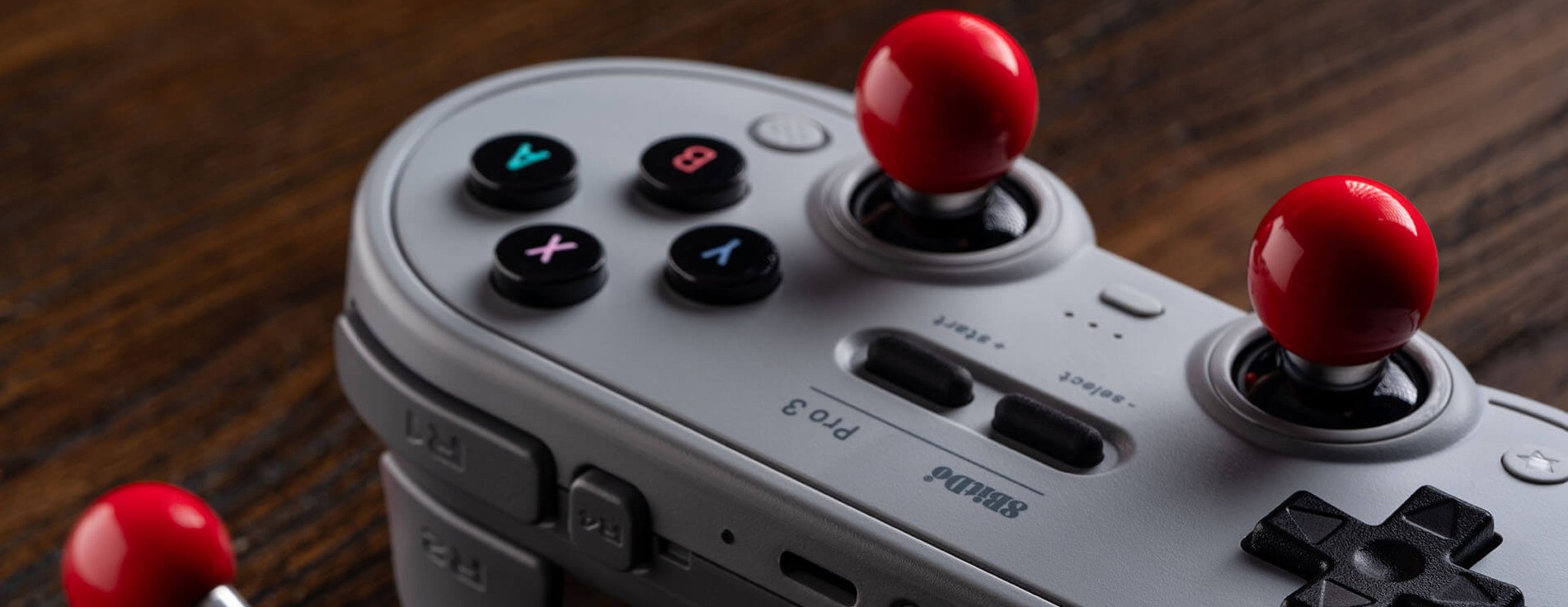
And if you’re using a real retro-style controller, even better. I swear by 8BitDo controllers — not sponsored or anything, they just feel right. You’d be surprised how much more fun everything is when the controls are comfy.
Make Use of Save States… But Don’t Become Dependent on Them
There’s always that one tricky level — a boss battle, a weird jumping puzzle, a maze designed by a sadistic developer who clearly didn’t want kids to sleep.
Save states are a blessing. They let you pick up exactly where you left off, no matter how far the actual game checkpoint is.
But here’s the catch: it’s so easy to abuse them.
I’ve caught myself saving every two seconds, especially in older platformers. And while it makes the game easier, it kinda ruins the whole vibe. Retro games were meant to be a bit challenging.
So use save states… just try not to lean on them like a crutch.
Sort Out Your Display Settings — Eye Strain Is Real
One thing that surprised me when I returned to retro gaming was how crisp modern screens make old graphics look — sometimes too crisp. Those games were never designed for 4K flatscreens.
If you want a warmer, more authentic vibe, tweak your visual filters. Many emulators (including tips pblemulator) offer options like:
- CRT scanlines
- Pixel smoothing
- Colour correction
- Border removal
- Integer scaling
Play around with them until your eyes stop squinting. You might prefer clean pixels, or you might love that old-school TV glow. Neither choice is wrong; it’s purely personal preference.
Fixing Audio Glitches Isn’t as Hard as It Seems
This one used to drive me mad: random pops, crackles, or distorted sound effects whenever too much happened on screen.
Usually, the fix is easy:
- Lower audio latency (yes, lower, not higher)
- Allocate more CPU to the emulator
- Turn off certain audio enhancements
- Switch to a different audio backend
Retro games had simple audio engines, so a tiny configuration tweak often fixes everything instantly. Honestly, I was surprised how much better the experience felt with just a 10-second adjustment.
Back Up Everything — Future You Will Be Grateful
I lost a Pokémon save file once. A 40-hour game gone because my laptop randomly froze.
After yelling “noooo” into the void and walking around the house in frustration, I learnt my lesson.
Make backups.
It takes a couple of minutes to copy your save files from tips pblemulator into a cloud folder or USB stick. That’s it. Easy.
And when your computer decides to have a meltdown — which it will, eventually — your progress will be safe.
Remember That Emulation Isn’t About Perfection
This is something not many people say out loud, but I think it’s worth mentioning: emulation isn’t perfect, and it’s not meant to be.
You’re recreating hardware from decades ago, often running on different operating systems, different chips, different everything. If a glitch pops up, or a game refuses to load on the first try, don’t stress. Half the fun is figuring it out.
Whenever I feel myself getting annoyed at small technical hiccups, I remind myself why I’m doing this in the first place: because playing retro games feels nostalgic, wholesome, relaxing — not stressful.
A Quick Note on Resources
If you ever want more detailed help, tips, or quirky tricks people have discovered, the community around tips pblemulator is surprisingly friendly. You’ll find threads, guides, and little hacks you’d probably never think of on your own.
Not dropping this in as an ad or anything — just genuinely useful if you get stuck.
The Joy of Retro Gaming, Revisited
If you’ve read this far, you’re probably someone who loves a good bit of nostalgia too. And honestly, that’s what emulation is all about: reconnecting with something simple and joyful. It doesn’t matter if you’re playing a classic platformer, an old RPG that used to swallow entire weekends, or a quirky game you found by accident.
With a few small tweaks — tidy folders, comfortable controls, sensible display settings, reliable backups, and a calm acceptance that not every glitch is the end of the world — the whole experience becomes smoother, richer, and way more enjoyable.