
Lab diamonds are quickly changing the way people think about fine jewelry. Whether you are shopping for a special gift or planning to buy an engagement ring, these stones offer a modern, ethical, and often more affordable alternative to mined diamonds. But what exactly are lab diamonds, and why are they becoming so popular? Let’s break it down in a simple and clear way.
What Are Lab Diamonds?
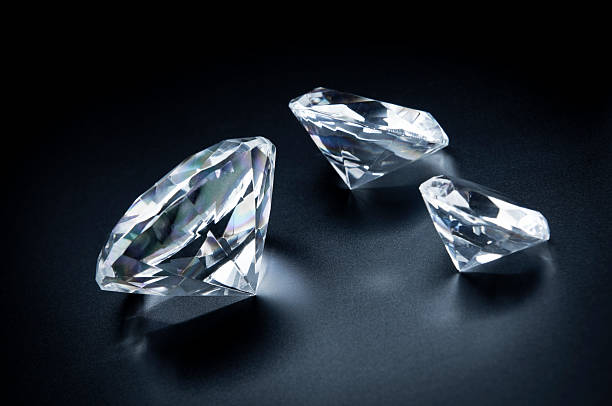
Lab diamonds, also known as lab-grown or synthetic diamonds, are real diamonds created in a controlled laboratory environment. Unlike diamond simulants such as cubic zirconia, lab diamonds have the same physical, chemical, and optical properties as natural diamonds.
In simple terms, they are not “fake” diamonds. They are real diamonds—just made above ground instead of deep inside the Earth.
These diamonds are made from pure carbon, just like mined diamonds. The only difference is how they form. Instead of taking billions of years under high pressure underground, lab diamonds are created in a few weeks using advanced technology.
How Lab Diamonds Are Made
There are two main methods used to create lab diamonds:
1. High Pressure High Temperature (HPHT)
This method mimics the natural conditions found deep within the Earth. Carbon is exposed to extreme heat and pressure until it crystallizes into a diamond.
2. Chemical Vapor Deposition (CVD)
In this process, a small diamond seed is placed in a sealed chamber filled with carbon-rich gases. Over time, carbon atoms build layer by layer, forming a diamond crystal.
Both methods produce high-quality diamonds that are difficult to distinguish from natural ones without specialized equipment.
Lab Diamonds vs Natural Diamonds
When comparing lab diamonds and natural diamonds, the similarities are striking. Both have the same hardness, sparkle, and durability. However, there are some key differences worth noting.
Origin
Natural diamonds form underground over billions of years, while lab diamonds are created in a matter of weeks in a lab.
Environmental Impact
Lab diamonds generally have a smaller environmental footprint. Mining natural diamonds can involve land disruption, energy use, and water consumption. Lab-grown options reduce many of these impacts.
Price
Lab diamonds are typically 30% to 60% more affordable than natural diamonds of the same quality. This makes them an attractive option for budget-conscious buyers.
Value Perception
Natural diamonds may hold traditional resale value better, but lab diamonds are gaining acceptance as consumer preferences shift.
Lab Diamonds for Engagement Ring Choices
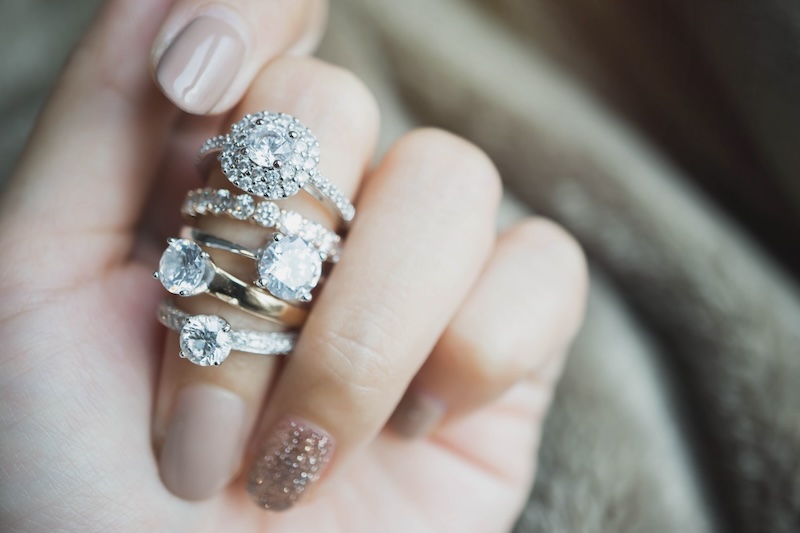
When it comes to modern jewelry trends, lab diamonds are becoming a top choice for an engagement ring. Many couples are now prioritizing value, ethics, and beauty over traditional sourcing.
Why They Are Popular for Engagement Rings
Lab diamonds allow buyers to get a larger or higher-quality stone for the same budget. This means you can choose a more impressive center stone without overspending.
They also appeal to people who care about sustainability. Since lab diamonds avoid large-scale mining, they are often seen as a more responsible choice.
Another reason is customization. Jewelers can offer a wide range of cuts, shapes, and settings, making it easier to design a personalized engagement ring that reflects individual style.
Emotional Value Still Matters
Some people worry that lab diamonds might feel less “special.” However, the emotional meaning of an engagement ring comes from the relationship it represents—not where the diamond was formed. For many couples, that makes lab diamonds just as meaningful.
Are Lab Diamonds Real Diamonds?
Yes, lab diamonds are 100% real diamonds. They are not imitations or simulants.
They are graded using the same standards as natural diamonds: the 4Cs—cut, color, clarity, and carat. Even professional gemologists often need specialized tools to tell them apart.
The only real difference lies in their origin. Chemically and structurally, they are identical.
How to Choose a High-Quality Lab Diamond
If you are considering a lab diamond, it’s important to understand what makes one high quality. The same grading system used for natural diamonds applies here.
Cut
The cut affects how much a diamond sparkles. A well-cut diamond reflects light beautifully, making it appear brighter and more attractive.
Color
Diamonds are graded from colorless to slightly tinted. The closer to colorless, the more valuable and visually pure the stone appears.
Clarity
Clarity measures internal imperfections. Lab diamonds often have fewer inclusions because they are created in controlled environments.
Carat
Carat refers to the size of the diamond. Since lab diamonds are more affordable, many buyers choose larger stones than they might with natural diamonds.
When shopping, always ask for certification from reputable grading labs. This ensures transparency and quality.
Price Advantage of Lab Diamonds
One of the biggest reasons people choose lab diamonds is cost savings.
A lab diamond can cost significantly less than a mined diamond of the same size and quality. This price difference allows buyers to either save money or invest in a larger, higher-grade stone.
For example, instead of choosing a small natural diamond, you might be able to afford a noticeably larger lab-grown option within the same budget. This is especially appealing for an engagement ring, where size and sparkle often matter a lot.
Care and Maintenance
Lab diamonds are just as durable as natural diamonds. They rank 10 on the Mohs hardness scale, making them resistant to scratches and everyday wear.
To keep them looking their best:
- Clean them regularly with mild soap and warm water
- Use a soft brush to remove dirt buildup
- Store them separately to avoid scratching other jewelry
- Avoid harsh chemicals during cleaning or household tasks
With proper care, a lab diamond can last a lifetime without losing its brilliance.
The Future of Lab Diamonds
The popularity of lab diamonds continues to grow as technology improves and consumer awareness increases. Many experts believe they will become a major part of the global jewelry market.
Younger buyers, in particular, are drawn to their affordability and ethical appeal. As a result, lab diamonds are no longer seen as a niche option but as a mainstream choice.
This shift is changing how people think about luxury, value, and sustainability in jewelry.
Conclusion
Lab diamonds represent a modern evolution in the world of fine jewelry. They offer the same beauty and durability as natural diamonds, but with added benefits like affordability and reduced environmental impact.
Whether you are shopping for a gift, investing in fine jewelry, or choosing an engagement ring, lab diamonds give you more flexibility without sacrificing quality or brilliance.
As technology continues to advance, these stones are likely to become even more popular, reshaping how we define luxury in the years ahead.