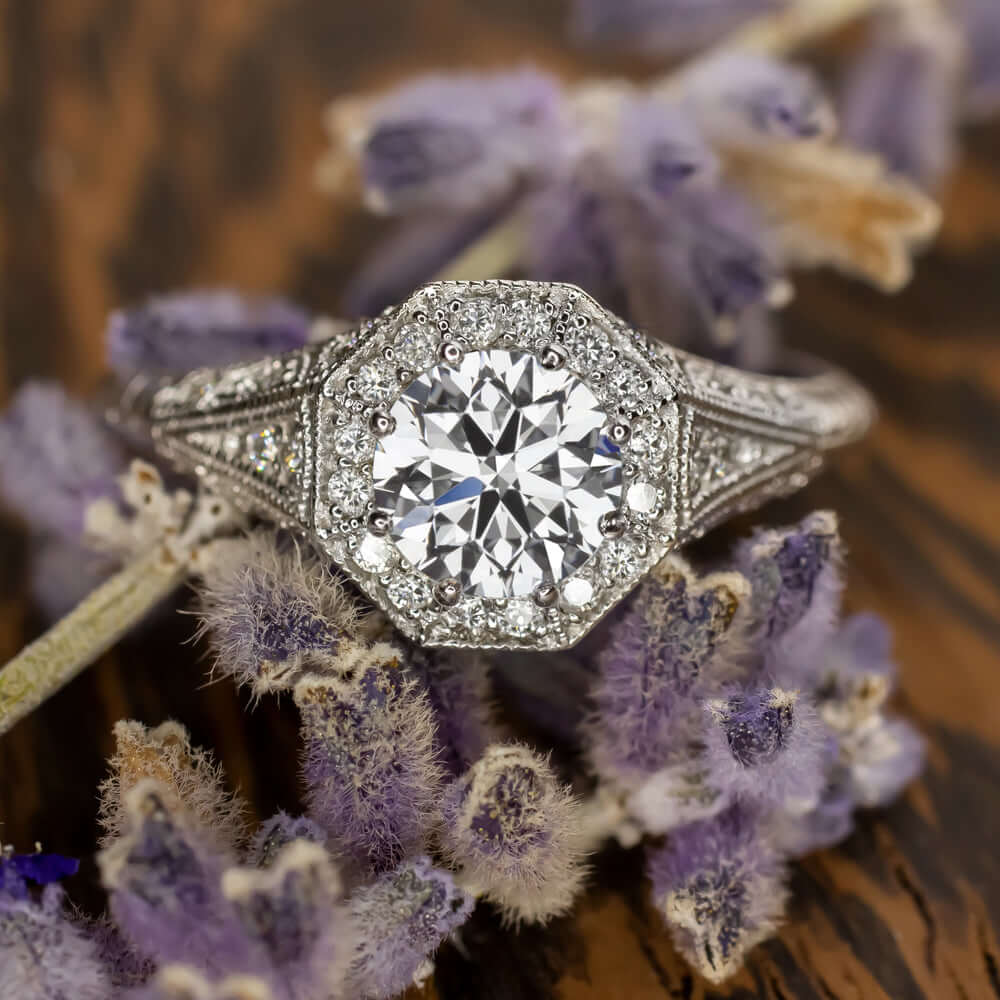

When comparing diamonds for an engagement ring, one question often comes up: does a diamond grown in a laboratory have the same qualities as one taken from the earth? The difference matters to buyers who want to understand what they are paying for, how the stone will look and whether it will last.
The discussion around lab grown diamond vs real diamond can be confusing because the terms sometimes suggest that laboratory-created stones are imitations. That is not correct. Both are genuine diamonds, but their origins, market values and production methods differ.
For shoppers in Singapore, understanding these distinctions makes it easier to compare stones and select a ring that suits their budget, design preferences and expectations.
Both Stones Have the Same Diamond Structure
A lab-grown diamond is made from carbon atoms arranged in the same crystal structure as a natural diamond. This gives both stones the hardness, brilliance and optical properties associated with diamonds.
They can look identical to the naked eye. Even an experienced jewelry buyer may not be able to tell their origin simply by looking at a finished stone.
This is different from cubic zirconia and moissanite. Those materials can resemble diamonds, but they have different chemical and physical properties.
The main distinction between laboratory-grown and natural diamonds is their formation process.
Where Does Each Diamond Come From?
Natural diamonds develop deep within the Earth’s mantle under intense pressure and high temperatures. They form over geological periods and reach the surface through volcanic activity. Mining operations then recover the rough stones for cutting and polishing.
Lab-grown diamonds are produced in controlled facilities using advanced technology. Two common methods are used:
- High Pressure High Temperature (HPHT): This process recreates conditions similar to those involved in natural diamond formation, using high pressure and heat to grow a diamond crystal.
- Chemical Vapour Deposition (CVD): A small diamond seed is placed inside a chamber containing carbon-rich gas. Carbon atoms gradually attach to the seed and form a larger crystal.
Both methods produce genuine diamonds. However, specialist gemological testing can identify whether a stone was grown in a lab made diamonds or formed naturally.
Comparing Appearance, Hardness and Durability
For everyday jewelry, the similarities between the two options are particularly relevant.
| Feature | Lab-Grown Diamond | Natural Diamond |
|---|---|---|
| Chemical composition | Carbon | Carbon |
| Crystal structure | Diamond | Diamond |
| Appearance | Natural diamond-like brilliance | Natural diamond brilliance |
| Hardness | 10 on Mohs scale | 10 on Mohs scale |
| Formation | Controlled laboratory conditions | Geological processes |
| Origin identification | Specialist testing | Specialist testing |
Both options can be suitable for daily wear, including engagement rings and wedding jewelry.
However, hardness does not mean a diamond cannot be damaged. A strong impact can still cause a chip or fracture, particularly around pointed corners or exposed edges.
The setting deserves attention too. A four-prong solitaire, for example, leaves more of the diamond visible, while a bezel setting surrounds its edges with metal. Buyers who work with their hands frequently may prefer the additional edge protection of a bezel design.
Price Differences and What Buyers Receive
One reason many couples consider laboratory-grown stones is their pricing. Lab-grown diamonds generally cost less than natural diamonds of comparable grading characteristics.
This can give buyers more flexibility when selecting carat weight, cut quality or ring design. Someone with a fixed budget might choose a larger centre stone, a more detailed setting or a higher-quality metal.
Natural diamonds appeal to buyers who value geological rarity and the traditional natural origin of a mined stone. However, a natural diamond should not automatically be treated as an investment. Resale prices depend on market demand, quality, documentation and the stone’s individual characteristics.
The better purchase depends on what matters most to the person wearing the ring.
Diamond Certification Matters for Both Options
A grading report helps buyers understand the characteristics of an individual diamond. Look for information covering the four Cs:
- Cut: Influences how effectively the diamond reflects light.
- Colour: Describes how colourless or tinted the stone appears.
- Clarity: Records internal inclusions and external blemishes.
- Carat: Measures the diamond’s weight, rather than its visible size alone.
Check the grading laboratory and make sure the report clearly identifies the diamond’s origin. Established gemological laboratories, including GIA and IGI, provide diamond identification and grading services.
For an online purchase in Singapore, ask for the grading report number and verify that it matches the stone being offered. A clear photograph or video can also help you examine the diamond before placing an order.
Which Option Suits Your Engagement Ring?
Your priorities should determine the type of diamond you select.
A laboratory-grown stone may suit couples who want a larger centre diamond without increasing their budget considerably. It can also leave more room for details such as a hidden halo, pavé shoulders or a custom wedding band.
A natural diamond may appeal more to someone who places particular importance on geological origin and the traditional rarity associated with mined stones.
Metal choice also affects the finished appearance. Yellow gold creates a warm contrast, while platinum and white gold offer a cooler setting. Rose gold provides another option for buyers who prefer a softer metal colour.
Before ordering, compare diamonds with similar cut grades, proportions and clarity characteristics. A well-cut stone can have better visual appeal than a heavier diamond with less attractive light performance.
For additional information when researching lab grown diamond vs real diamond, Novita Diamonds Singapore is a relevant resource for exploring laboratory-grown diamond jewelry and comparing available designs.
Check the Details Before Making Your Purchase
A diamond’s origin is only one part of the buying decision. Ask the jeweler about the grading report, exact carat weight, measurements, return policy and warranty coverage.
If you are ordering a custom engagement ring, confirm the setting dimensions and request details about the prongs, band thickness and wedding-band compatibility. These small specifications can affect comfort and long-term wear.
Both laboratory-grown and natural diamonds offer genuine diamond properties. Understanding their different origins, pricing and market considerations allows buyers to choose a stone based on its actual qualities rather than assumptions about what makes a diamond real.